The Crown is refreshing the Maihi Karauna, its strategy for Māori language revitalisation in Aotearoa.
Te reo Māori is an official, living language that carries stories, identities, histories and futures of Aotearoa New Zealand. For te reo Māori to thrive, it must be spoken, heard and valued in homes, schools, workplaces, communities, public services and online.
Last updated: Wednesday, 25 February 2026 | Rāapa, 25 Huitanguru, 2026
What's on this page?

Refresh Underway
Work is underway to ensure the refreshed Maihi Karauna builds on the gains and addresses the challenges since the original strategy was launched in 2019. It will also be grounded in the latest evidence of what makes the biggest difference to language revitalisation. The refreshed Maihi Karauna will be available in 2026.
Partnership remains at the heart of this kaupapa. Te Ture mō Te Reo Māori 2016 (the Māori Language Act 2016) confirmed a shared approach to revitalising te reo Māori between the Crown, iwi and Māori. This is expressed through Te Whare o Te Reo Mauri Ora (the house of the living language).
Together, the Crown and Māori are working in partnership to ensure te reo Māori is lived, spoken and celebrated by everyone, everywhere long into the future. Kia māhorahora te reo.
What is the Maihi Karauna?
The Maihi Karauna sets out a vision for te reo Māori in the future. It outlines what the Crown will do to support a strong, healthy, thriving Māori language in New Zealand; Kia māhorahora te reo – everywhere, everyway, for everyone, every day.
Download the Maihi Karauna strategy in te reo Māori [PDF, 1.8MB] or English [PDF, 1.8MB].
What are the goals of the Maihi Karauna?
The Maihi Karauna sets out three audacious goals to achieve by 2040;
- 85% of New Zealanders (or more) will value te reo Māori as a key part of national identity.
- One million New Zealanders (or more) will have the ability and confidence to talk about at least basic things in te reo Māori.
- 150,000 Māori aged 15 and over will use te reo Māori as much as English.
Who is the Maihi Karauna for, and why?
The Maihi Karauna is for all New Zealanders. Everyone can support the revitalisation of te reo Māori, whether you speak the language or not.
The strategy addresses the revitalisation of the language by including a broad range of New Zealanders while also acknowledging the need to protect the integrity of te reo and recognise its kaitiakitanga (guardianship) by iwi and Māori.
There are also three groups in particular the strategy focuses on:
Tamariki and rangatahi
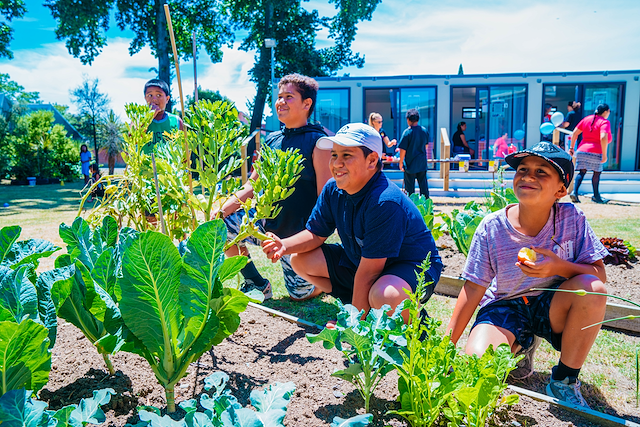
All young people in New Zealand up to 24 years old. Young people are the future of te reo Māori.
Tāngata matatau ki te reo (fluent speakers)
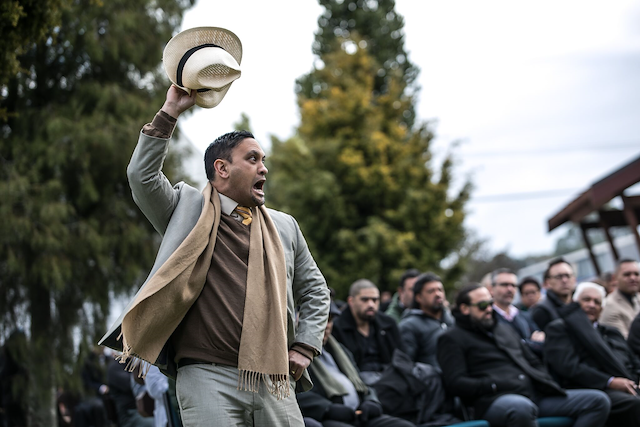
These are the expert speakers of te reo Māori. They are the Māori language teachers to the next generation, in homes and in the education system. They are also the upholders of the quality and integrity of mātauranga Māori (Māori knowledge).
Public servants

People who work in the public sector, are often on the front line, face to face, delivering services. In order for the Crown to recognise the value of the Māori language, to actively protect it and reflect the people of New Zealand, the Crown and its staff need to ‘speak’ the language itself.
Where does the Crown want to get to?
The Crown has three key outcomes:
- Aotearoatanga - te reo Māori is valued by Aotearoa whānui as a central part of national identity.
- Mātauranga - Aotearoa whānui has increased levels of knowledge, skill and proficiency in te reo Māori.
- Hononga - Aotearoa whānui is able to engage with te reo Māori.
How will we track the Maihi Karauna progress?
Te Puni Kōkiri, supported by Te Taura Whiri i Te Reo Māori, developed a monitoring and evaluation framework for the Maihi Karauna.
The monitoring component of this framework will allow Government [JM2] to track strategy implementation and progress towards achieving the goals, outcomes and priorities of the Maihi Karauna.
The evaluation component will focus on if and how the Maihi Karauna is effective in achieving its objectives, and where improvements can be made.
- Download and read the full framework here [PDF, 1.5MB].
- Read the framework on a page here [PDF, 66KB].
What is the current state of te reo Māori?
Te Puni Kōkiri released a baseline indicators report in September 2019 that brought together all current information to highlight progress against the outcomes and audacious goals of the Maihi Karauna.
- Download and read the full report here [PDF, 1.6MB].
Te Puni Kōkiri has developed the first update to the baseline indicators report, using data up to December 2021.
- Download and read the updated indicators report here [PDF 1.5MB].
- Download and read the updated indicators report in te reo Māori [PDF 1MB]
Data was unavailable to update several indicators, including audacious goal 1 (Aotearoatanga/nationhood), due to disruption to the 2020 General Social Survey (GSS) by the COVID-19 pandemic and associated lockdown measures. New GSS data will be released in mid-2022 and will be included in the next update to the baseline indicators report for the Maihi Karauna.
Understanding the progress being made is critical in achieving the goals, outcomes and priorities outlined in the Maihi Karauna strategy. It also helps the government to effectively plan how best to continue its revitalisation and the achievement of the overall goal of Te Whare o te reo Mauriora ‘Kia Mauriora te reo.
Maihi Karauna and Maihi Māori
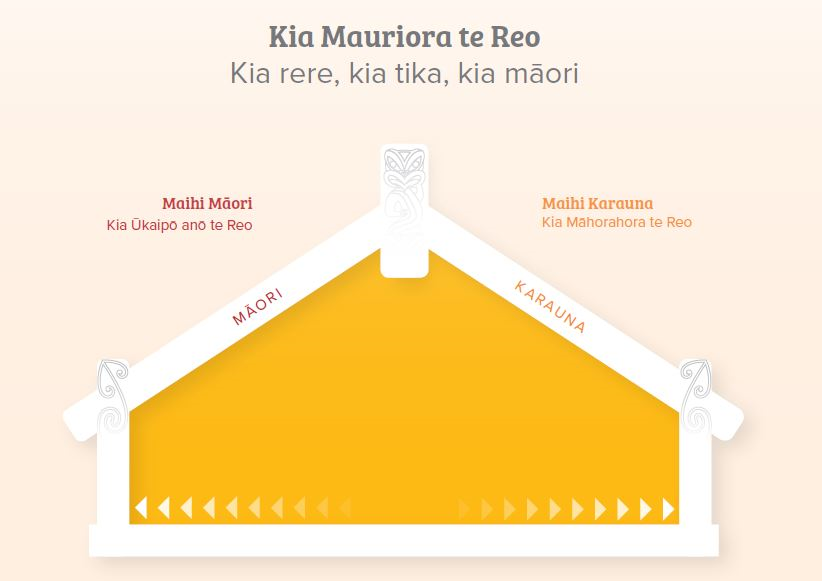
Te Whare o te Reo Mauriora
Te Ture mō te Reo Māori 2016 (the Māori language Act 2016) created a new way of approaching language revitalisation.
The Act established a partnership between the Crown and iwi and Māori, who are represented by Te Mātāwai.
- Te Mātāwai focuses on homes, communities and the nurturing of Māori children as first language speakers of te reo Māori.
- The Crown focuses on creating a New Zealand society where te reo Māori is valued, learned and used by developing policies and services that support language revitalisation.
This is the first time the Crown and Māori, represented by Te Mātāwai, have entered into an active, planned partnership for revitalisation. Together they are working towards a shared vision, kia mauriora te reo.
When that vision is achieved it is expected that;
- Kia rere: Māori language is shared and used in daily life.
- Kia tika: Māori language is fit for purpose.
- Kia Māori: Māori language is a first language and shared.
Watch this video that explains Te Whare o te Reo Mauriora and the relationship between the Maihi Māori and the Maihi Karauna.
Who has developed the Maihi Karauna?
The Maihi Karauna has been developed by Te Puni Kōkiri, Te Taura Whiri i te Reo Māori, Te Māngai Pāhō, the Māori Television Service, Ministry of Education, Department of Internal Affairs and Manatū Taonga, the Ministry for Culture and Heritage.
Related News and Stories
Read our latest news and stories for this kaupapa.
Uhi Tai: Te Reo Māori in Business 2026
Uhi Tai creates space for shared learning, reflection and inspiration.
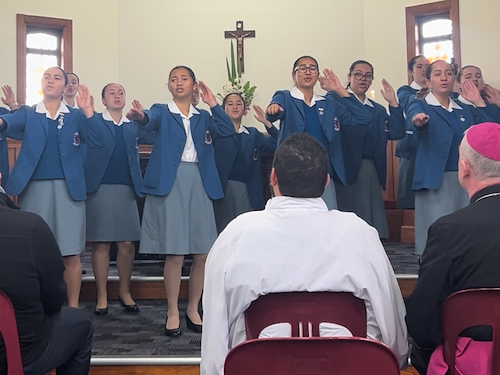
Investing in the future of our Māori leaders
New dormitories and facilities at St Joseph’s Māori Girl's College have been lifted to the same high calibre as the school’s young achievers.
New te reo Māori speech competition - Waha Kōrero
Te Taura Whiri i te Reo Māori has launched a new speech competition - Waha Kōrero. There is only one week left to enter - maybe yourself or someone you know! Karawhiua e hoa mā!
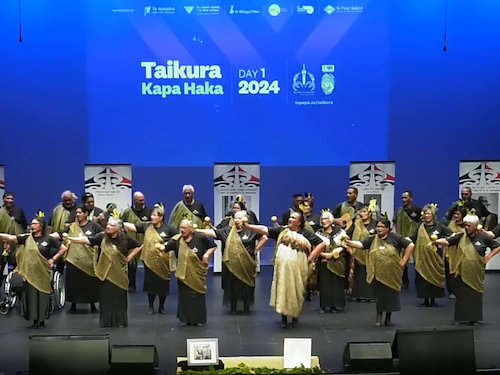
Matariki, whakanui at Te Papa Tongarewa
Matariki celebrations are taking place across the motu. Matariki is the cluster of stars that rise on the northeastern horizon in mid-winter and marks the Māori New Year.
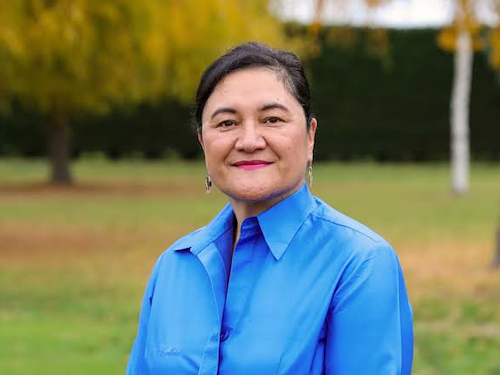
Honours recognise those serving Māori
Twice a year, New Years and King’s Birthday, we recognise New Zealanders who have served and achieved in their respective passion, including those for their service to Māori.
Kia whakanuia ki te Mahuru Māori 2023
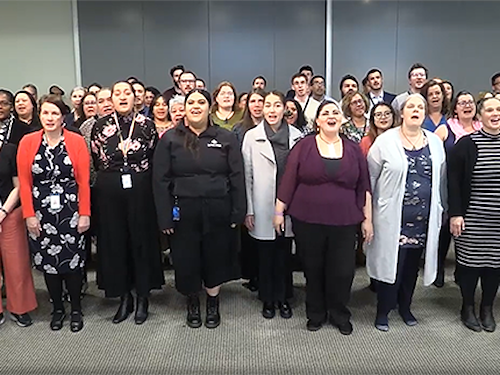
Reo Māori stories, team waiata and inter-office kapa haka performances helped bring Mahuru Māori to life at Te Puni Kōkiri.