Showing 71 - 80 of 119 publications.

Te Rōpū Tohutohu Motuhake – Te Pūrongo a te Rāngai Reo Māori
This report of the Specialist Advisory Group – Māori Language Sector was commissioned by Te Puni Kōkiri and Te Mātāwai. It identifies options to maximise leverage and efficiencies from the Crown’s current investment in the operations of the Māori language entities (Te Taura Whiri i te Reo Māori, Whakaata Māori, and Te Māngai Pāho), with a view to improving te reo Māori revitalisation outcomes.
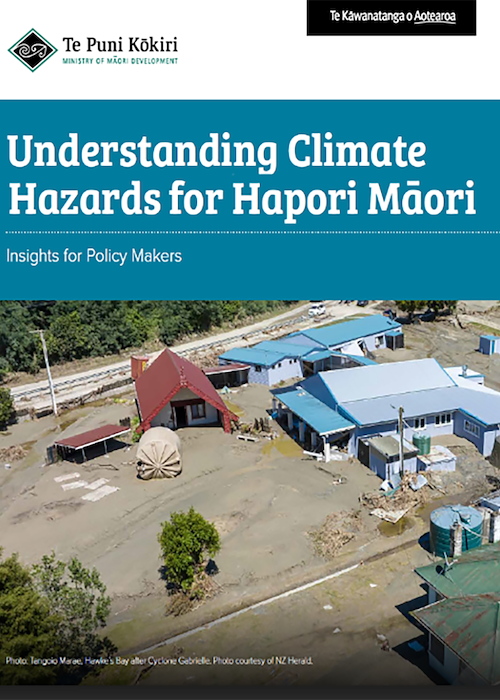
Understanding climate hazards for hapori Māori – Insights for policy makers report
An exploratory analysis to understand the specific challenges of hapori Māori (Māori communities) within the context of te ao hurihuri – a changing world.
Māori and Aquaculture Development
This paper discusses how tangata whenua can: Engage with the planning processes for aquaculture development; Develop relationships with the aquaculture industry; and Implement arrangements for the allocation of aquaculture assets. The aim is to provide tangata whenua with sufficient information and tools to enable their own aquaculture development within their own kaitiakitanga, and for effectively influencing regional planning to take their values into account. 31 pages.
Māori Council Engagement Under the Resource Management Act 1991
This case studies report presents the views of council staff and Maori resource management practitioners on the current processes and structures that local authorities have in place to engage with Maori under the RMA.
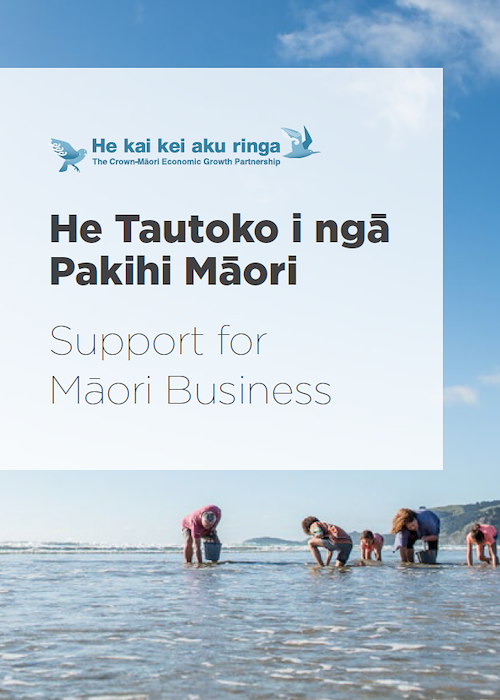
He Tautoko i ngā Pakihi Māori | Support for Māori Business
Whether you have a business idea or are well established in the international markets, there is a range of help available to you through government agencies and non-governmental organisations. This guide has been developed by the Ministry of Business, Innovation and Employment to help you understand what information, assistance and support is available and where you can go to access it.
Auckland Independent Māori Statutory Boards : Role and Functions of the Selection Body
Outlined in this factsheet are steps to selecting board members, and explains their purpose and functions.
Summary of oral and written submissions in response to proposed changes to the Māori Community Development Act 1962
Te Puni Kōkiri received feedback on options in its discussion paper through the 20 public consultation hui held throughout the country in September 2013 and through 86 unique written submissions and 1,193 form submissions. Te Puni Kōkiri has produced a summary report which outlines the key themes expressed through the consultation.
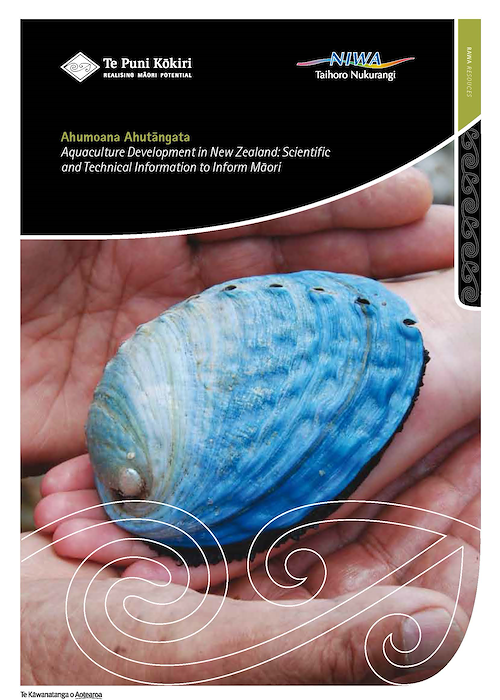
Aquaculture Development in New Zealand: Scientific and Technical Information to Inform Māori.
We regret to inform you that this publication is currently unavailable. We apologise for this delay.
He Pataka Kupu - Te kai a te rangatira
He Pataka Kupu - te kai a te rangatira is the first monolingual Māori language dictionary to be produced for adults. With approximately 24,000 entries, it provides a rich Māori language resource for proficient speakers and learners alike. This factsheet provides some background information about He Pātaka Kupu, together with a brief history of the written Māori language, including previous dictionaries.
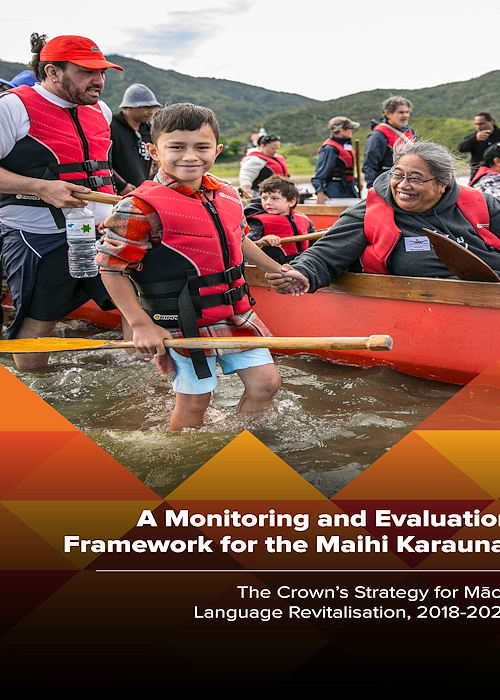
A Monitoring and Evaluation Framework for the Maihi Karauna
This monitoring and evaluation framework was developed with support by Te Taura Whiri i Te Reo Māori. This monitoring component will allow us to track strategy implementation and progress towards achieving the goals, outcomes and priorities of the Maihi Karauna. The evaluation component will focus on if and how the Maihi Karauna is effective in achieving its objectives, and where improvements can be made.