Te Puni Kōkiri would like to congratulate all 2026 King’s Birthday Honour recipients, especially those recognised for services to Māori.
Published: Rāpare, 11 Pipiri, 2026 | Thursday, 11 June 2026
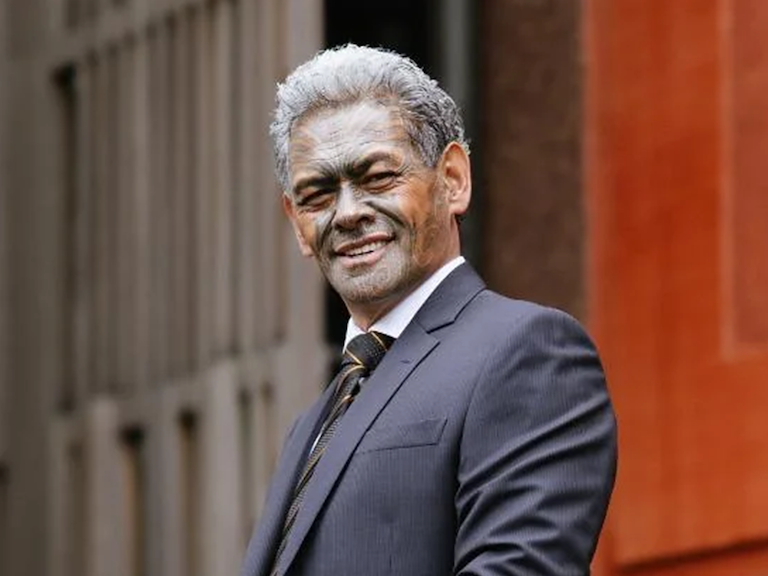
Minister for Māori Development Hon Tama Potaka has acknowledged recipients for their services to Māori saying the honours reflect decades of leadership, service, and commitment to strengthening Māori communities, language, education, and governance. Read the release here - Māori recognised in King’s Birthday Honours 2026 | Beehive.govt.nz
For more information visit the King's Birthday Honours List 2026 | Department of the Prime Minister and Cabinet (DPMC) website.
Companion of the New Zealand Order of Merit (CNZM)
COLLIER, Dr Reuben Tuwhakahekeao, MNZM for services to Māori and education
Dr Reuben Collier (Horouta, Mātaatua, Te Arawa, Tainui) was appointed a Member of the New Zealand Order of Merit in 2017 for his services to the television industry and Māori. Dr Collier is a nationally recognised custodian of Māori war commemoration, particularly as a member of the Ngarimu VC and 28th Māori Battalion Memorial Fund Board since 2021 and Deputy Chair of the 28th Māori Battalion B Company History Trust.
He has provided strategic guidance to iwi, the New Zealand Defence Force, Crown institutions and international partners on taonga and legacies of national importance and is regularly sought for his expertise for the staging of nationally significant events.
He has represented New Zealand internationally as a cultural and historical authority through engagement with international archives, commemorative partners and scholarly networks, advancing global understanding of Māori contribution to New Zealand’s wartime history. He has made enduring contributions to academia, developing how indigenous research, creative scholarship and mātauranga Māori operate within tertiary education. His original theoretical frameworks have reshaped and advanced research supervision and doctoral practice, influencing national research capability and ensuring indigenous knowledge systems are sustained and strengthened.
His contributions have become embedded within national institutions, archives, governance structures and academic practice. Dr Collier was awarded the Pou Aronui Medal by the Royal Society Te Apārangi in 2025 for his contributions to the Humanities.
KEIHA, Emeritus Professor Pare Areta, QSO for services to Māori and education
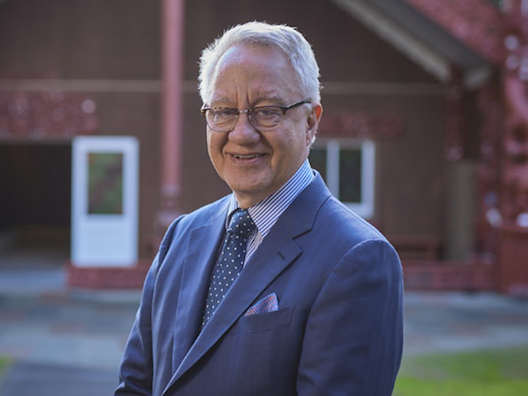
Emeritus Professor Pare Keiha (Te Whānau o Taupara o Te Aitanga-a Māhaki, Rongowhakaata) has contributed extensively to education and Māori development and was appointed a Companion of the Queen’s Service Order in 2008 for his services to business, education, and Māori.
Dr Keiha was Dean of Te Ara Poutama at the Auckland University of Technology (AUT) from 1997 to 2024, the longest serving Dean of a Māori Studies faculty in New Zealand’s history. During his tenure, the faculty experienced sustained growth and the introduction of master’s and doctoral programmes. He established the country’s first Māori Media degree and devised a major scholarship for Māori and Pacific students.
He held many other senior roles at AUT including Pro Vice-Chancellor for Māori Advancement from 2004 to 2024 and Pro Vice Chancellor for Learning and Teaching from 2009 to 2019. He has continued to hold numerous board roles, including chairing the Māori Patents Advisory Committee since 2014, and membership of the Auckland Philharmonia Trust Board since 2018. He was a member of the Royal Society of New Zealand’s first three Centre of Research Excellence (CoRE) Fund committees and is a board member of Ngā Pae o te Māramatanga, the Māori CoRE hosted by the University of Auckland.
Dr Keiha was a lead member of the econometrics team established to provide advice to the Te Aitanga-a-Māhaki claims before the Waitangi Tribunal.
MANUEL, Mr Riki Henare for services to Māori art
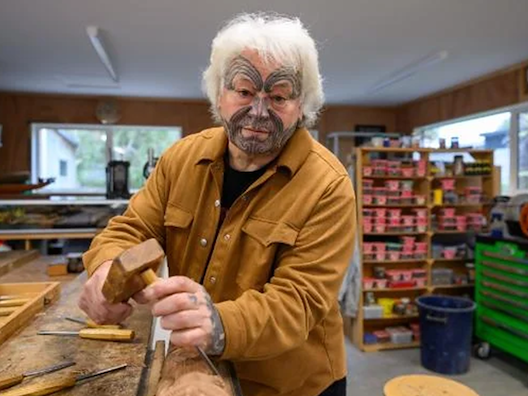
Mr Riki Manuel (Ngāti Porou) has been dedicated to Toi Māori (Māori arts) since the late 1970s when he began his career as a carver at the New Zealand Māori Arts and Crafts Institute, Rotorua.
Mr Manuel opened his gallery and workshop, Toi Mana Māori Gallery, in 1984. He promoted artists from across New Zealand and ran workshops in the Christchurch Arts Centre until the gallery’s closure in 2011. He was a founding member of Te Uhi ā Mataora, a national collective of Taa Moko artists established in 2000, and is recognised with helping the renaissance of the art form. He was one of the first artists with the Toi Iho trademark in 2002, the only trademark that recognises and authenticates Māori artists and their works. He has produced a range of significant commissions, including a waka for Millenium celebrations in Christchurch, carvings for several marae projects in the North and South Islands, contributions for Kaikōura's cultural art trail, and various pieces presented to international leaders. He is a supporter of Kapahaka and has been a past regional and national performer. Mr Manuel currently supports Kapahaka in local Christchurch schools through fundraising and creating designs for uniforms.
Office of the New Zealand Order of Merit (ONZM)
EVERITT, Ms Karleen Mae for services to Māori and business
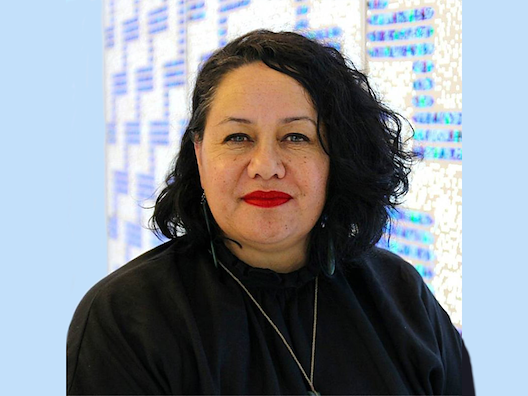
Ms Karleen Everitt (Te Aupōuri, Ngāpuhi, Te Iwi Morehu) is a business leader focused on improving societal and economic outcomes for Māori.
In 2006, Ms Everitt established Manaaki Solutions, dedicated to supporting the development of the Māori economy and leadership. She was the first Māori and first woman to become Chair of Northland’s Regional Economic Development Agency (Northland Inc) from 2017 to 2018, after four years as Director. As General Manager of Te Putea Whakatupu Trust, she developed several programmes focused on education, leadership development and research for Māori including Te Mahe Matauranga, the National Māori Science Competition, and Hei Rātā Whakaruruhau, helping emerging leaders in Māori governance roles. The Trust partnered with Victoria University of Wellington and the Federation of Māori Authorities, where she has worked as a Strategic Advisor. She served as a member of NorthTec Council from 2015 to 2017. As Deputy Chair of the St Stephen’s Queen Victoria (SSQV) Trust Board, she championed the re-opening of SSQV schools. She has served as a Director of Global Women New Zealand since 2021. She was appointed to lead ANZ bank’s Te Ao Māori Strategy in 2021. Ms Everitt won the Dame Mira Szászy Alumni Award at the 2024 University of Auckland Aotearoa Māori Business Leaders Awards.
HIGGINS, Dr Te Ripowai Pauline, QSM for services to education and Māori
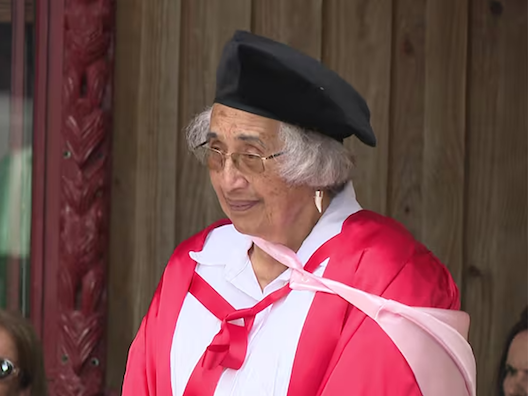
Dr Te Ripowai Higgins (Ngāi Tūhoe) has worked towards the revitalisation of te reo Māori and the advancement of indigenous education for more than 43 years.
In 1982 Dr Higgins became a foundation board member for Te Ataarangi, a community-led Māori language revitalisation movement which helped shape the methodology of Māori language learning. She built relationships with First Nations and Indigenous communities globally, sharing the Te Ataarangi approach to assist with their own language revitalisation. She remained with Te Ataarangi for 42 years. She held several leadership positions at Te Herenga Waka Victoria University of Wellington’s School of Māori Studies, including Senior Lecturer and Head of School. She was ruahine (female leader) of Te Herenga Waka marae. She helped build pathways for community educators to transition into postgraduate study. She was a long-term member of the Law Commission’s Māori Liaison Committee, and provided tikanga training to many members of the judiciary. She was a foundation Board member of Te Ipukarea the National Māori Language Institute. She served on the Board of Te Māngai Pāho for three consecutive terms, and was instrumental in the establishment of Te Upoko o te Ika, New Zealand’s first Māori radio station. Dr Higgins was kuia and cultural advisor to former Governor-General Dame Patsy Reddy.
Dr Higgins was a New Year Honours recipient of the Queen’s Service Medal for Community Service in 1988.
KIRIKIRI, Mr Rauru for services to Māori, science and conservation
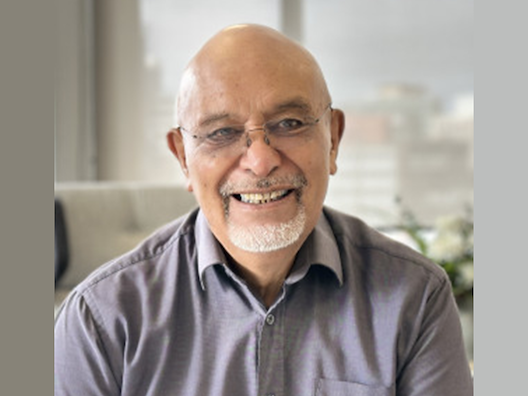
Mr Rauru Kirikiri (Te Whānau ā Apanui) has made significant contributions as a mediator between scientists and iwi in several areas, bridging the gap between Te Ao Māori and western science.
With a background in diplomatic postings, Mr Kirikiri was a senior manager and cultural advisor with Manaaki Whenua Landcare Research (MWLR) from the early 1990s until 2006, helping researchers connect and partner with iwi on conservation projects, particularly Ngāi Tahu and Tūhoe. He assisted New Zealand and Australian research teams in the early 1990s with negotiations to introduce the calcivirus as a biocontrol agent for rabbit populations. He was on the Board of the Allan Wilson Centre for Molecular Ecology and Evolution, a Centre of Research Excellence, from 2002 to 2015. He has been a cultural intermediary between the New Zealand Food Safety Science and Research Centre (NZFSSRC) and East Coast iwi since 2016. His mediation has been essential to the NZFSSRC’s relationship with iwi and the initiation of science projects locally, including ensuring safe consumption of tuna from Whakakī Lake and safe harvesting of wild food in Uawa/Tolaga Bay. He was a Trustee of the World Wildlife Fund for Nature New Zealand from 2015 to 2019 and a member of the New Zealand Conservation Authority from 2014 to 2020. Mr Kirikiri is a Companion of the Royal Society of New Zealand.
RIDDELL, Mr Baye Michael for services to Māori clay art
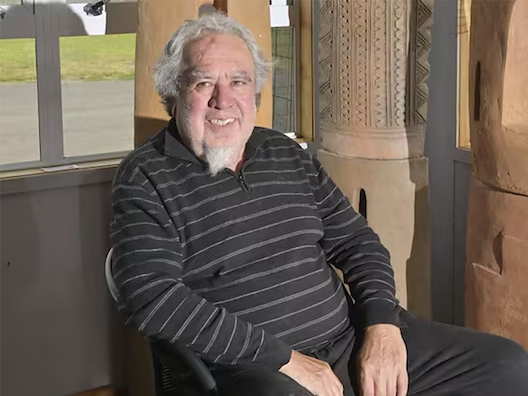
Mr Baye Riddell (Ngāti Porou) is a preeminent contemporary clay artist within Māori arts and the wider New Zealand ceramic community.
Mr Riddell’s artwork focuses on a contemporary expression in clay based on traditional Māori art forms and cultural practice. Beginning his career in 1974, during a ceramic environment mainly dominated by European and Asian influences, his work established a unique New Zealand ceramic identity and added to world ceramic history. He co-founded the national Māori clay artists collective Ngā Kaihanga Uku in 1987, which he continues to lead as kaumātua. He was principal author of ‘Ngā Kaihanga Uku: Māori Clay Artists’ (2023), documenting the development of Uku clay art in New Zealand and receiving the Art Association of Australia and New Zealand Prize for Best Writing by an Aotearoa Māori or Pasifika author. He has exhibited nationally and internationally, including in China, South Korea, the United States, and Canada. His work is held in major collections nationally and overseas. He mentors new artists and has taught Māori clay art at marae, in workshops and tertiary institutions nationally, assisting in curriculum development for arts programmes. He served on the Central Region Arts Council and was Arts Coordinator for Waiapu Arts Council. Mr Riddell established the Manu Waiata Original Song writing competition which continues to run within Ngāti Porou.
SHORTLAND, Mrs Rahera, MNZM for services to Māori language education
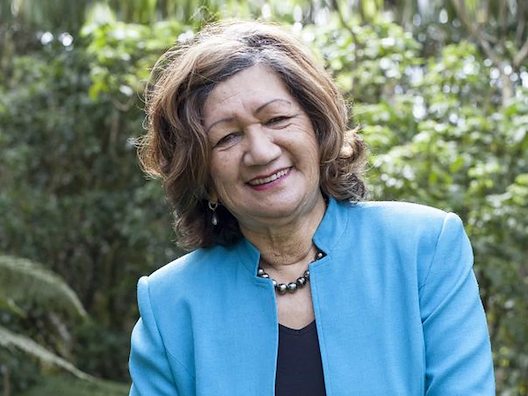
Mrs Rahera Shortland (Ngāpuhi, Ngāi Tawake, Ngāti Hao) was appointed a Member of the New Zealand Order of Merit in 2016 for her services to Māori, education and television, having been involved with te reo Māori revitalisation over five decades.
Mrs Shortland helped establish Te Ātaarangi Educational Trust, which has been at the forefront of Māori language revitalisation using unique tools and techniques. She remains involved in leadership as a Manutea, a group of kuia who were involved in the early days of Te Ataarangi who continue to support and advise in various kaupapa within the broader organisation. She has supported reo Māori communities in Australia and shared the Te Ataarangi methodology with an indigenous group in Hawai’i working on language revitalisation. Mrs Shortland’s continued involvement in teaching most recently saw her facilitate a 12-month Kura Kaiwhakaako, overseeing the graduation of 16 kaiako in June 2025.
Member of the New Zealand Order of Merit (MNZM)
BULLMORE, Ms Elizabeth Jane (Irihapeti) for services to seniors' health, particularly Māori
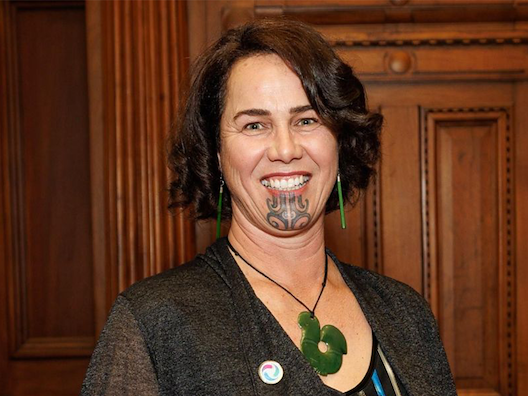
Ms Irihapeti Bullmore (Kāti Māmoe, Waitaha, Kāi Tahu, Kahungunu ki Wairarapa, Te Rārawa-Ngā Puhi) is a community Māori nurse who has developed culturally responsive healthcare combining traditional Māori approaches with contemporary health systems, to support kaumātua and their whānau.
Ms Bullmore developed the Kahukura Kaumātua Programme, a monthly kaupapa Māori day programme blending clinical health promotion with cultural celebration. In 2017 she established Whare Tiaki, the first explicitly kaupapa Māori supported living facility for kaumātua in Ōtautahi Christchurch. She initiated and led the Te Tairanga Kaumātua Collective, a regular hui of health professionals working with Maori, advising on care and access to services for the older population. She contributed to landmark research reframing how frailty is understood within te ao Māori, acknowledging the concept of Waikare o te Waka o Meihana (the double-hulled waka framework). She has contributed to Te Pūtahitanga o Te Waipounamu, helping influence the delivery of Whanau Ora Navigators to positive health outcomes for almost 5,000 Māori. Her research around health and social isolation in older people has influenced community care nationally, and was included in wider international research involving adult home care in Canada and Finland. She helped design and deliver the first indigenous Falls Prevention programme, Taurite Tu. She is a part-time Lead on the new Puahou Tapuhi o Aotearoa Bachelor of Nursing at Ara Institute of Canterbury. Ms Bullmore chairs Te Roopu Kawawhakaruruhau-Cultural safety.
KAWANA, Mr Michael Ian Joseph (Mike) for services to Māori and the community
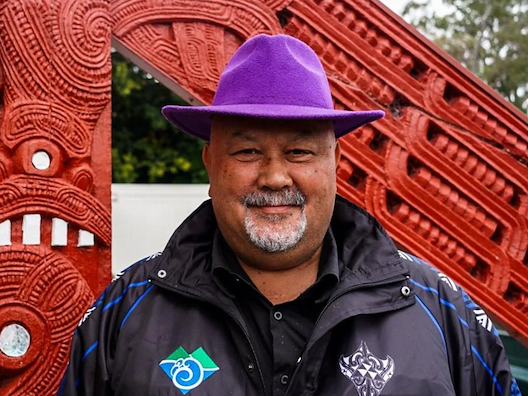
Mr Mike Kawana (Rangitāne, Ngāti Raukawa, Ngāti Kahungunu, Te Arawa) has been the Rangatira Kaumātua of Ngāti Hāmua and Rangitāne o Wairarapa since 2001, and has contributed significantly to his community.
Mr Kawana is regarded as an expert in Wairarapa kōrero, whakapapa and tikanga tuku iho (intergenerational customs), and frequently provides advice on tikanga for local events. As Cultural Advisor of Rangitāne o Wairarapa, he helped lead the Rangitāne Treaty Settlement process for 28 years until completion in 2017, and represents the iwi in health, police and local government matters. He is kaikorero and kapa haka tutor at Te Oreore Marae, and led Rangitāne as host of Te Matatini in 2005 and 2007. He served on the Masterton Police Advisory Board from 2005 to 2025, the Wellington Police Advisory Board from 2008 to 2025, and sits on the District Police Māori Focus Forum. He supported the Rangitāne collaboration with New Zealand Police on the alternative restorative justice Te Pae Oranga Project, and provided tikanga programmes for probation services and the Department of Corrections from 2005 to 2018. He provided guidance for the installation of tukutuku and carvings in the Masterton Police Station, and to the revitalisation of the Wairarapa Māori Warden network. Mr Kawana has been President of the Wairarapa Country Music Club, Chair of the Pioneer Rugby Club and Chair of the Maungarake Darts Association.
KUKA, Ms Janice for services to Māori health
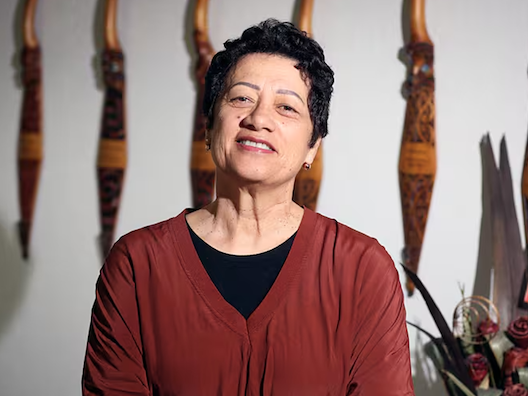
Ms Janice Kuka (Ngāti Ranginui, Ngāi Te Rangi) has been a leading figure and advocate for Māori healthcare in New Zealand for more than 40 years.
Ms Kuka was involved in the Kohanga Reo movement and through her role as a social worker in Tauranga Hospital contributed to the establishment of Kaupapa Māori services within the hospital in 1989. Her contributions in this area led to the creation of Māori nursing wards and mental health services. In 2010 she became Managing Director of Ngā Mataapuna Oranga, a Māori Primary Health Organisation (PHO) and Whānau Ora Hub. She has led the organisation to provide healthcare, social services, and cultural support to approximately 30,000 people and operate four GP clinics with more than 12,500 enrolled patients. She co-ordinated funding which extended the organisation’s assistance to whānau and communities during the COVID-19 pandemic. She expanded access to care by developing mobile clinics, which were successful in delivering health services across the Western Bay of Plenty. She is a member of several health boards including the Asthma and Respiratory Foundation, and is Chair of Turuki Health Care, Te Manu Toroa, and Pirirākau Hauora where she advocates for Māori-led health services and self-determination to improve Māori health outcomes. Ms Kuka has contributed to Waitangi Tribunal enquiries, representing Māori PHOs and advocating for Māori-led healthcare.
NICHOLAS, Mr Terence Reginald Joseph (Terry) for services to Māori and governance
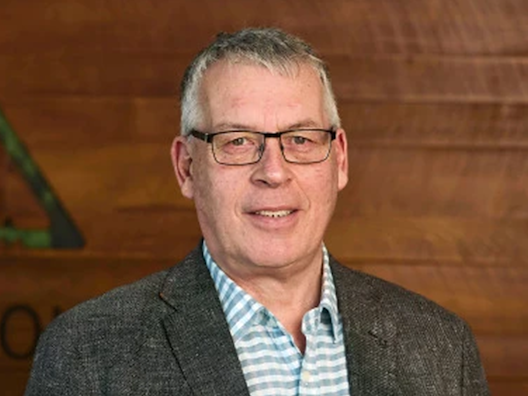
Mr Terry Nicholas (Ngāi Tahu, Tainui) has served the Murihiku-Southland region out of Gore District for more than 30 years through numerous leadership roles.
Mr Nicholas has held various governance, management, and representational roles through Hokonui Rūnanga, one of the 18 Rūnanga of Ngāi Tahu. He has been its Executive Co-ordinator since 2000, director of several of its associated companies, and Trustee of its Charitable Health and Social Services Trust since 2003. He has supported the organisation following its settlement with the Crown to establish itself as a leading community organisation that supports the development of its 13,000 members. In 2023 he was appointed Upoko o Hokonui Rūnanga, a customary leadership role responsible for protecting and enhancing opportunities for members and wider Hapū. In 2020 he established Murihiku Regeneration, which has been instrumental to regional development and supported intergenerational and regenerative outcomes. He is currently the portfolio manager of the organisation and under his guidance its programmes have incorporated traditional iwi values with contemporary development needs. His work through the organisation has created annual wānanga (summits) to inform, encourage, and connect opportunities to respond to challenges in the Southland region. Mr Nicholas is an advocate for developing intergenerational capability and has led initiatives that have provided pathways for youth engagement, development, and leadership opportunities.
PITA, Mr Morris Charles for services to governance, business and Māori
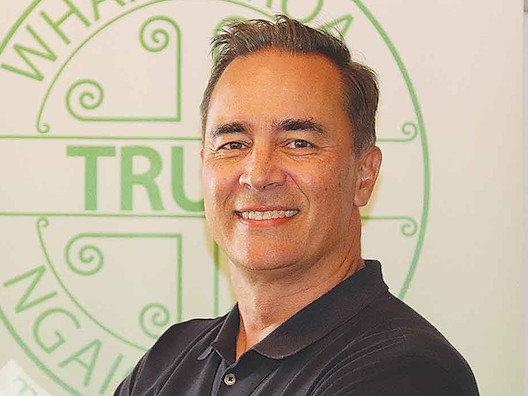
Mr Morris Pita (Ngātiwai, Ngāti Hine) has contributed in various capacities across the technology, health and energy sectors, and in the economic advancement of his hapū and iwi.
At Mercury in the early 2000s, Mr Pita assisted with the establishment of the Ngā Awa Purua and Ngā Tamariki geothermal power stations, generating 220 megawatts of renewable electricity for New Zealand businesses and homes. He assisted the Tūwharetoa and Lake Rotoaira Trust Boards in the negotiation of commercial agreements for the use of their lake beds for hydro storage. He has been a member of his hāpū trust Whangaroa Ngaiotonga since 2003, where, as Co-chair he played a leading role in the reclamation of their whenua and its transformation into an award-winning farming business. In 2015, he established Tai Pari Mōhio Ltd, the creator of the software platform Emergency Q, which reduces overcrowding in hospital emergency departments. Emergency Q has transferred a quarter of a million patients to primary care, saving 1.2 million hours of waiting time. In 2012, he co-founded Tūruki Pharmacy in South Auckland, a pioneer in providing affordable medicines to low-income whānau. In addition, Mr Pita served on the Waitematā and Auckland District Health Boards and was a member of the Eden Park Trust Board from 2009 to 2018, also chairing its Finance and Audit Committee.
RANGIHUNA, Mr Dean William for services to Māori mental health and addiction services
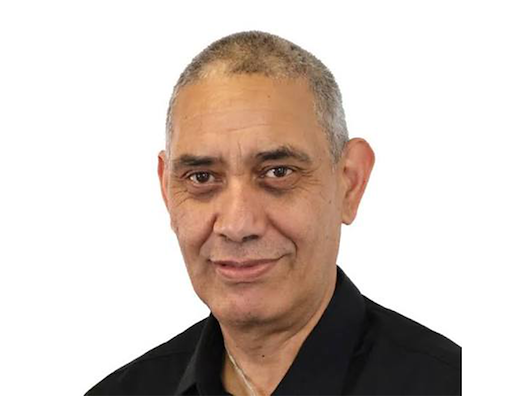
Mr Dean Rangihuna (Ngāti Porou, Ngāti Hei) has been a mental health advocate and advisor for more than three decades.
Mr Rangihuna is currently Te Kaihapai Māori Lived Experience Principal advisor for Te Whatu Ora Health New Zealand National Hauora Māori Services. He worked for the Canterbury District Health Board Specialist Mental Health services and the Māori mental health services as Te Kaihapai/Māori Consumer Advisor. He has worked alongside the National Association Mental Health Service Consumer Advisors, Ministry of Health, the Health Quality and Safety Commission, community mental health NGO services, Te Pou/Wise Group and Pathways, and Te Rau Ora/Te Whare Tukutuku (Workforce Development). He has also contributed to The Safe Practice Effective Communication Training program, specifically designed for mental health inpatient services. The programme is a person-centred approach focusing on trauma informed care and least restrictive practice and is now a national training program offered across all Te Whatu Ora mental health inpatient service workforces. He was appointed to two major government inquiries, with the Mental Health and Addiction Inquiry He Ara Oranga in 2018 and the Royal Commission of Inquiry into Abuse in Care 2020 to 2023. Mr Rangihuna has worked to support the recommendations of these inquiries within several national health agencies in which he works.
ROGERS, Mr David John Eruera, JP for services to conservation and Māori
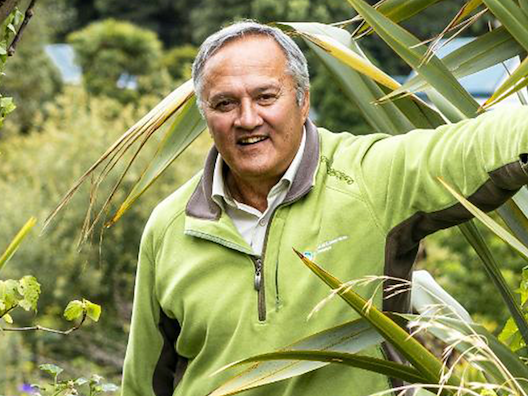
Mr David Rogers (Te Ātiawa, Ngāti Ruanui, Taranaki, Ngāti Mutunga, Ngāti Maniapoto) has been heavily involved with the Department of Conservation (DOC) for the past 50 years, particularly in the Taranaki District.
Mr Rogers helped survey the entire public track network of the Egmont National Park (now Te Papa-Kura-o-Taranaki), securing and stock-proofing the boundary of the national park, and establishing essential infrastructure. He helped establish the current Around the Mountain circuit, the Park’s hut network and iconic tracks such as the Taranaki crossing. He was integral to the design of DOC’s national sign network, and part of the team responsible for the establishment of the hut ticket system. He was sent to Gallipoli to assess and produce options for an ANZAC trail from Anzac Cove to Chunuk Bair, telling the New Zealand ANZAC story. He worked alongside hapū to develop the significant Pukerangiora Pā as a Heritage Icon site. He has been involved in guiding significant Treaty settlements over the past 30 years including Te Ruruku Pūtakerongo (2023) and Te Ture Whakatupua mō Te Kāhui Tupua (2025). Mr Rogers has held many governance roles in his community, including Chair of Whakaahurangi Marae, Trustee and Chair of Manukorihi Pā, Director of the Ngāti Ruanui Management Group, and President of the Stratford Basketball Association.